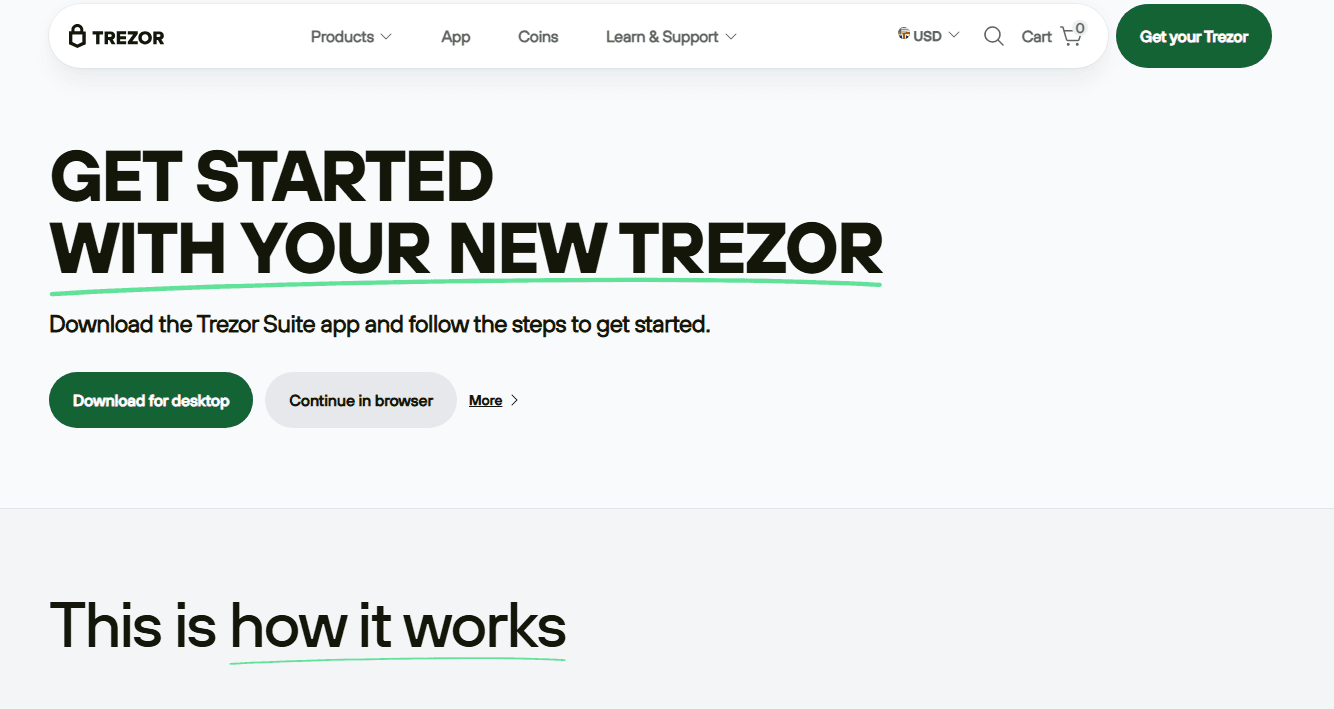
Trezor Login: Secure Access to Your Cryptocurrency Wallet
Cryptocurrency security is a critical concern for anyone managing digital assets. Trezor login offers a secure and reliable way to access your wallet while keeping private keys protected from online threats. Unlike traditional wallets that rely on usernames and passwords, Trezor uses a hardware-based login system that ensures full user control and enhanced protection. This guide explains how Trezor login works, why it is important, and how users can safely access and manage their cryptocurrency holdings.
Understanding Trezor Login
Trezor login is the process of accessing a cryptocurrency wallet using a physical Trezor hardware device combined with dedicated wallet software. The login does not involve storing sensitive credentials online. Instead, authentication happens through the device itself, ensuring that private keys remain offline at all times.
This method prevents unauthorized access, even if the computer being used is compromised. The hardware wallet acts as a gatekeeper, requiring physical confirmation before any wallet activity can take place.
Why Trezor Login Is Essential for Security
Cryptocurrency transactions are permanent and cannot be reversed. If someone gains unauthorized access to a wallet, the assets can be lost forever. Trezor login significantly reduces this risk by introducing multiple layers of security.
Key benefits of secure login include:
Protection against hacking and malware
Defense from phishing and keylogging attacks
Offline storage of private keys
Physical confirmation for sensitive actions
By requiring both the device and user verification, Trezor provides a strong security model that is difficult to compromise.
Preparing for Trezor Login
Before attempting to log in, users should ensure that everything is set up correctly.
Device Integrity Check
Always inspect the Trezor device for signs of tampering. A genuine device should be intact and function normally when connected.
Software and Firmware Updates
Using updated firmware and wallet software ensures compatibility and protection against known vulnerabilities. Updates also improve performance and user experience.
Secure Login Environment
Login should always be performed on a trusted personal computer or mobile device. Avoid public computers or shared systems that could contain malicious software.
Step-by-Step Trezor Login Process
The Trezor login process is designed to be simple while maintaining high security standards.
Step 1: Connect the Hardware Wallet
Connect your Trezor device to your computer or mobile device using the provided cable. The device will power on and display a prompt.
Step 2: Open the Wallet Interface
Launch the official wallet software compatible with your Trezor device. This interface allows interaction with the blockchain while keeping private keys offline.
Step 3: Enter the PIN Code
The device will request your PIN code. A randomized keypad layout appears on the device screen to prevent PIN tracking by malware or keyloggers.
Step 4: Use Passphrase Protection (If Enabled)
If passphrase protection is activated, you must enter it during login. The passphrase creates a unique wallet space and adds an extra security layer.
Step 5: Access the Wallet Dashboard
Once verified, the wallet dashboard opens. From here, users can view balances, manage accounts, and perform transactions securely.
Security Layers in Trezor Login
Trezor login is built with multiple protective layers that work together to keep assets safe.
Hardware-Based Authentication
Access is impossible without the physical device, preventing remote attacks.
PIN Code Protection
The PIN prevents unauthorized access. Repeated incorrect attempts result in increasing delays or device reset.
Optional Passphrase Security
Passphrases add another layer of encryption, creating hidden wallets that only the user can access.
On-Device Transaction Confirmation
Every transaction must be manually confirmed on the device, ensuring transparency and preventing unauthorized transfers.
Encrypted Communication
All communication between the device and software is encrypted, preventing data interception.
Common Trezor Login Problems and Solutions
Although Trezor login is reliable, users may occasionally face issues.
Incorrect PIN Entry
Entering the wrong PIN multiple times results in time delays. Carefully verify the correct PIN before retrying.
Forgotten Passphrase
Without the correct passphrase, the wallet cannot be accessed. Recovery is only possible using the recovery seed.
Device Not Detected
Reconnect the device, try a different USB port or cable, and restart the wallet software.
Software Compatibility Issues
Ensure that the operating system and wallet software are compatible with your Trezor device.
Recovery Seed and Login Protection
The recovery seed is generated during the initial setup and is essential for wallet recovery. While it is not part of the daily login process, it acts as the ultimate backup.
If the device is lost, damaged, or reset, the recovery seed allows full restoration of wallet funds. This seed must be stored offline and kept private at all times. Sharing or losing the recovery seed can result in permanent asset loss.
Best Practices for Safe Trezor Login
Following security best practices helps ensure long-term wallet safety.
Always verify information shown on the device screen
Never share your PIN or passphrase
Store the recovery seed in a secure offline location
Avoid logging in on public or shared devices
Keep firmware and software up to date
Consistent security habits greatly reduce the risk of unauthorized access.
What You Can Do After Logging In
Once logged in, Trezor provides access to a wide range of wallet management features.
Manage Multiple Accounts
Users can organize assets by creating multiple cryptocurrency accounts within the wallet.
Send and Receive Cryptocurrency
Transactions can be initiated and confirmed securely using the hardware device.
Monitor Transaction History
Review past transactions and track fund movements directly from the dashboard.
Customize Security Settings
Adjust features such as passphrase usage and account visibility for enhanced control.
How Trezor Login Differs from Traditional Wallet Access
Traditional wallets often rely on online credentials, which can be stolen through phishing or malware. Trezor login eliminates this vulnerability by keeping private keys offline and requiring physical confirmation.
This approach provides:
Strong resistance to cyber threats
Full user ownership of private keys
Greater peace of mind for long-term asset storage
As a result, Trezor login is considered one of the safest methods for accessing cryptocurrency wallets.
Conclusion
Trezor login offers a secure, reliable, and user-controlled way to access cryptocurrency wallets. By combining hardware authentication, PIN protection, optional passphrases, and encrypted communication, it ensures that digital assets remain protected from unauthorized access.
Understanding the login process, preparing the device properly, and following best security practices are essential for safe cryptocurrency management. With the right approach, Trezor login allows users to confidently access, manage, and protect their digital assets in an increasingly digital financial landscape.