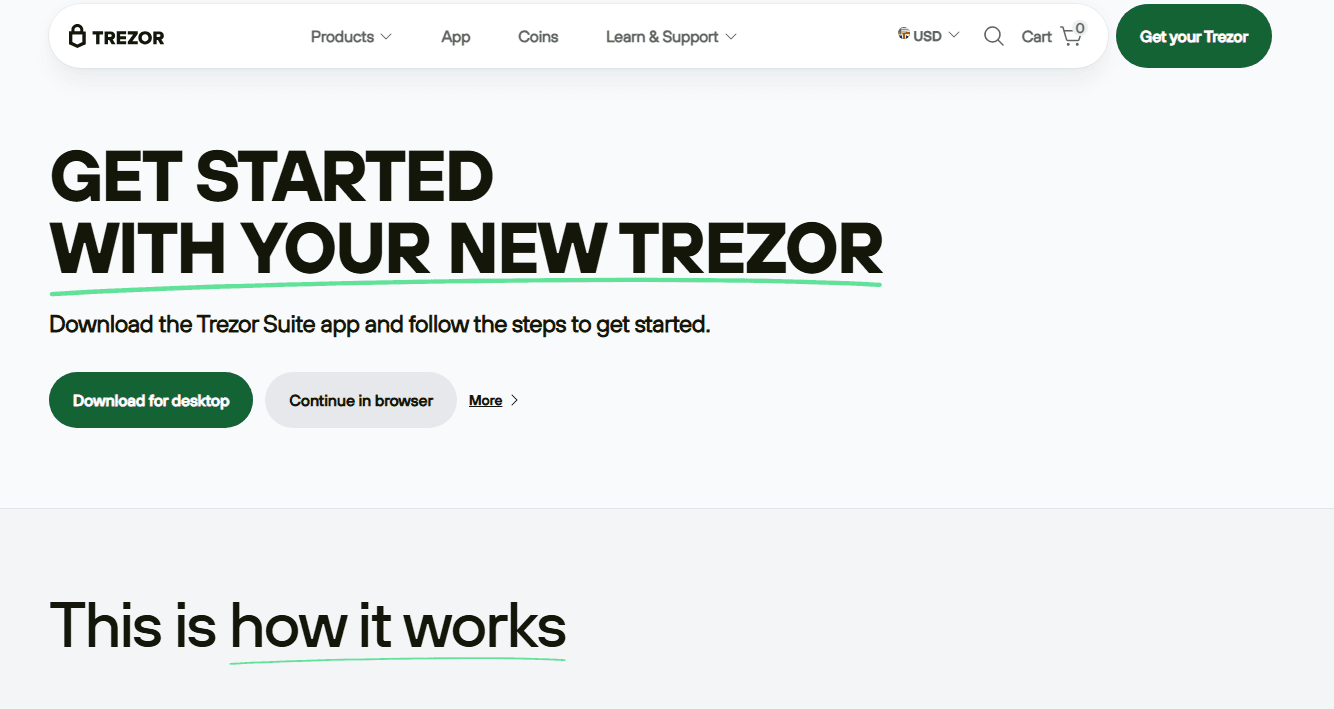
Trezor Login: Complete Guide to Secure Access and Wallet Management
Accessing your cryptocurrency safely is one of the most important responsibilities for any digital asset holder. Trezor login is designed to provide a secure and reliable way to access your cryptocurrency wallet while keeping your private keys protected at all times. Unlike traditional online logins, Trezor uses a hardware-based authentication process that prioritizes security without sacrificing usability. This guide explains how Trezor login works, how to access your wallet safely, and best practices to ensure your digital assets remain protected.
Understanding Trezor Login
Trezor login refers to the secure process of accessing your cryptocurrency wallet using a Trezor hardware device in combination with companion software. Instead of relying on usernames and passwords, Trezor login requires physical confirmation through the hardware wallet. This method ensures that your private keys never leave the device and are never exposed to the internet.
The login process acts as a gateway to your wallet, allowing you to view balances, manage accounts, send and receive cryptocurrencies, and monitor your portfolio. Every login is protected by multiple security layers, making Trezor one of the most trusted solutions in cryptocurrency security.
Why Secure Login Matters in Cryptocurrency
Cryptocurrencies operate on decentralized networks, meaning there is no central authority to reverse transactions or recover stolen funds. If unauthorized access occurs, assets can be lost permanently. This makes secure login essential.
Trezor login protects against common risks such as:
Unauthorized access to wallet funds
Phishing and malware attacks
Device theft or accidental loss
Exposure of private keys through compromised computers
By requiring both the physical device and user verification, Trezor significantly reduces the risk of unauthorized wallet access.
Requirements Before Logging In
Before starting the Trezor login process, it is important to ensure everything is properly prepared.
Device Readiness
Make sure your Trezor hardware wallet is authentic and shows no signs of tampering. Use only devices obtained from trusted sources and inspect the packaging before use.
Updated Software and Firmware
Using the latest version of the Trezor companion software and device firmware ensures optimal performance and protection against known vulnerabilities.
Secure Environment
Always log in using a trusted computer or mobile device. Avoid public or shared systems, as they may contain malware or monitoring software.
Step-by-Step Trezor Login Process
The Trezor login process is straightforward but intentionally designed to prioritize security.
Step 1: Connect Your Trezor Device
Plug your Trezor hardware wallet into your computer or mobile device using the provided cable. The device will power on and display a welcome or prompt screen.
Step 2: Launch the Companion Software
Open the Trezor companion software on your device. This software serves as the interface for interacting with your wallet and blockchain networks.
Step 3: Enter Your PIN Code
You will be prompted to enter your PIN code. Trezor displays a randomized number layout on the device screen, which prevents keylogging and screen-recording attacks. Enter the PIN carefully and confirm.
Step 4: Enter Passphrase (Optional)
If you have enabled passphrase protection, you will be required to enter it during login. The passphrase creates an additional hidden wallet and significantly enhances security.
Step 5: Access Your Wallet Dashboard
Once verified, the software will unlock your wallet dashboard. You can now view balances, manage accounts, perform transactions, and access advanced features.
Security Features Built into Trezor Login
Trezor login is built on a foundation of advanced security mechanisms that work together to protect your assets.
Hardware-Based Authentication
Access is impossible without the physical device, preventing remote attacks.
PIN Protection
The PIN safeguards the device against unauthorized use. Multiple incorrect attempts trigger increasing delays or device reset.
Passphrase Support
An optional passphrase adds another layer of encryption, creating separate wallet environments.
Encrypted Communication
All data exchanged between the device and the companion software is encrypted, preventing interception or manipulation.
On-Device Verification
Transactions and sensitive actions must be confirmed directly on the hardware wallet, ensuring user awareness and control.
Common Trezor Login Issues and Solutions
While Trezor login is reliable, users may occasionally encounter issues.
Incorrect PIN Entry
Repeated incorrect PIN attempts result in increasing time delays. Ensure you enter the correct PIN carefully to avoid device reset.
Forgotten Passphrase
If a passphrase is forgotten, access to that wallet cannot be restored without the recovery seed. Always store passphrases securely.
Device Not Detected
Try reconnecting the device, using a different USB port, or restarting the companion software. Firmware updates can also resolve detection issues.
Software Compatibility Problems
Ensure your operating system and browser are compatible with the latest version of the Trezor software.
Recovery and Login Safety
Trezor login security is closely tied to the recovery process. During wallet setup, a recovery seed is generated. This seed allows you to restore your wallet if the device is lost, stolen, or damaged.
The recovery seed is not part of the login process but serves as the ultimate backup. Without it, wallet access cannot be restored. Store the recovery seed offline and never share it with anyone.
Best Practices for Safe Trezor Login
To maintain the highest level of security, follow these best practices:
Always verify the device screen during login
Never enter your PIN or passphrase on unfamiliar systems
Keep your recovery seed stored securely offline
Avoid public computers or unsecured networks
Update device firmware and software regularly
These habits significantly reduce the risk of unauthorized access and long-term asset loss.
What You Can Do After Logging In
Once logged in, Trezor provides a comprehensive suite of wallet management features.
Manage Multiple Accounts
Organize your assets by creating separate accounts for different cryptocurrencies.
Send and Receive Cryptocurrency
Securely initiate transactions and confirm them directly on the device.
Monitor Portfolio Performance
Track balances, transaction history, and asset allocation.
Use Advanced Wallet Features
Access advanced functions such as passphrase wallets, staking options, and account customization.
The login process ensures all these actions are performed securely.
How Trezor Login Differs from Traditional Wallet Access
Traditional wallets often rely on passwords stored online, making them vulnerable to hacking and phishing. Trezor login eliminates this risk by keeping private keys offline and requiring physical confirmation.
This approach offers:
Strong resistance to malware and phishing
Full user control over authentication
Reduced reliance on centralized systems
As a result, Trezor login is widely regarded as one of the safest ways to access cryptocurrency wallets.
Conclusion
Trezor login is a secure, user-focused process designed to protect your cryptocurrency assets at every stage of access. By combining hardware authentication, PIN protection, optional passphrases, and encrypted communication, Trezor ensures that only authorized users can access wallet funds.
Understanding the login process and following best practices is essential for long-term cryptocurrency security. From device preparation to secure recovery planning, every step contributes to safeguarding your digital wealth.
With proper usage, Trezor login offers peace of mind, allowing you to manage, grow, and protect your cryptocurrency holdings with confidence in an increasingly digital financial world.